Skip to content
Hands On Exotics

Special Needs

Bridges Nothing Else Can Build

Animal-assisted programs for children and adults with sensory, cognitive, or physical disabilities. Sensory-friendly animals, slower pacing, smaller groups — co-designed alongside the educators and care administrators who know each audience best.

Some kids don't reach for new things easily. Sometimes a calm animal is the bridge nothing else can build.

Seth Falk, Founder
Our Programs

Programs Built Around Your Audience

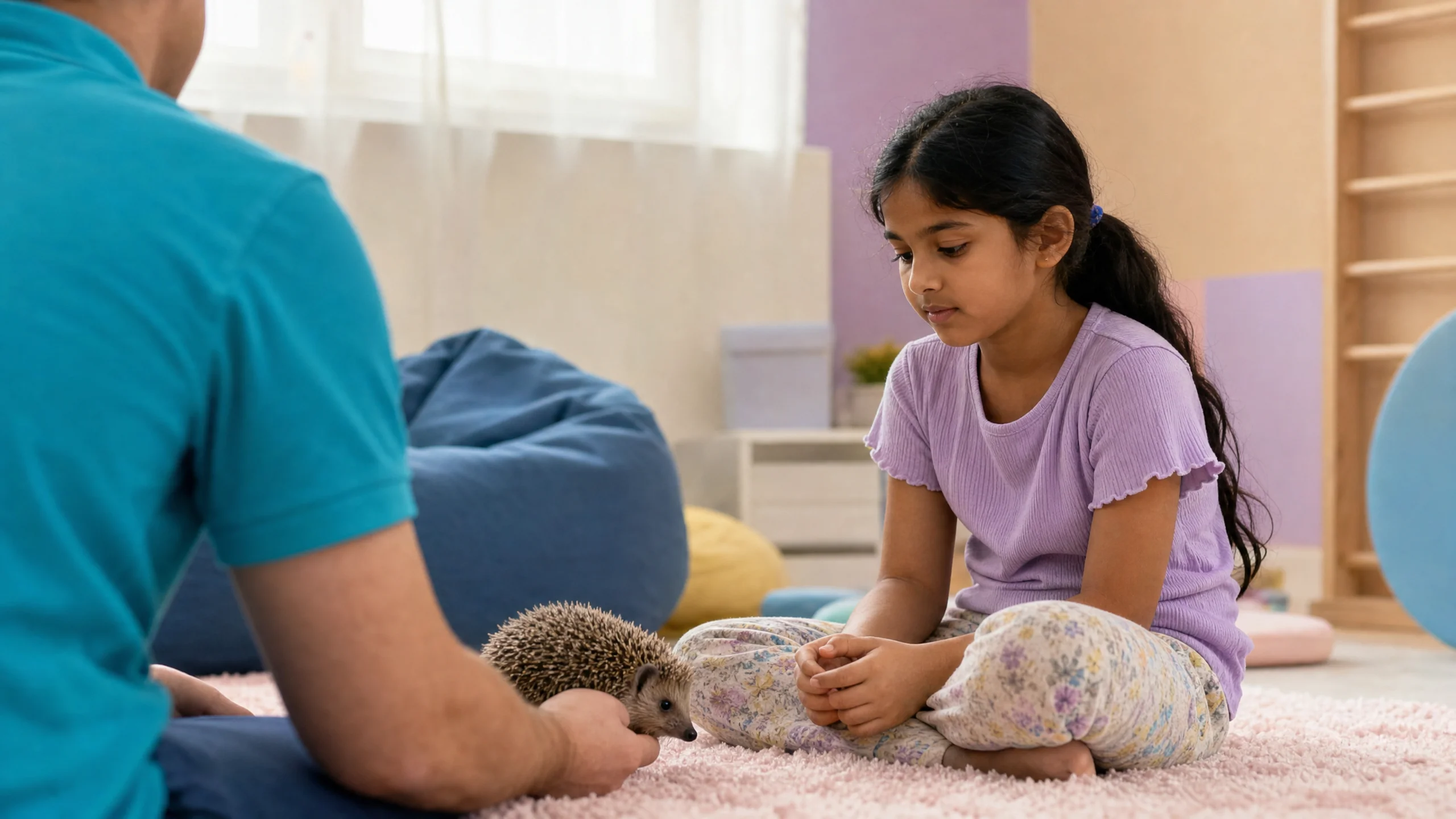
A young South Asian child seated cross-legged on a soft rug in a quiet pastel sensory room, calmly observing a small hedgehog with a Hands On Exotics handler in a cyan polo seated nearby providing the animal
Sensory-Friendly Visits

Low-Stimulation Animal Encounters

Designed for children and adults with sensory sensitivities, autism spectrum profiles, or environments where loud presentations and large groups overwhelm. Our handlers run quiet, slow-paced sessions with one animal at a time, in a small group or one-on-one format that lets every participant set their own engagement level.

  • Animals selected for calm temperament and minimal startle response
  • Quiet observation distance respected — no pressure to touch
Discuss a Sensory Visit
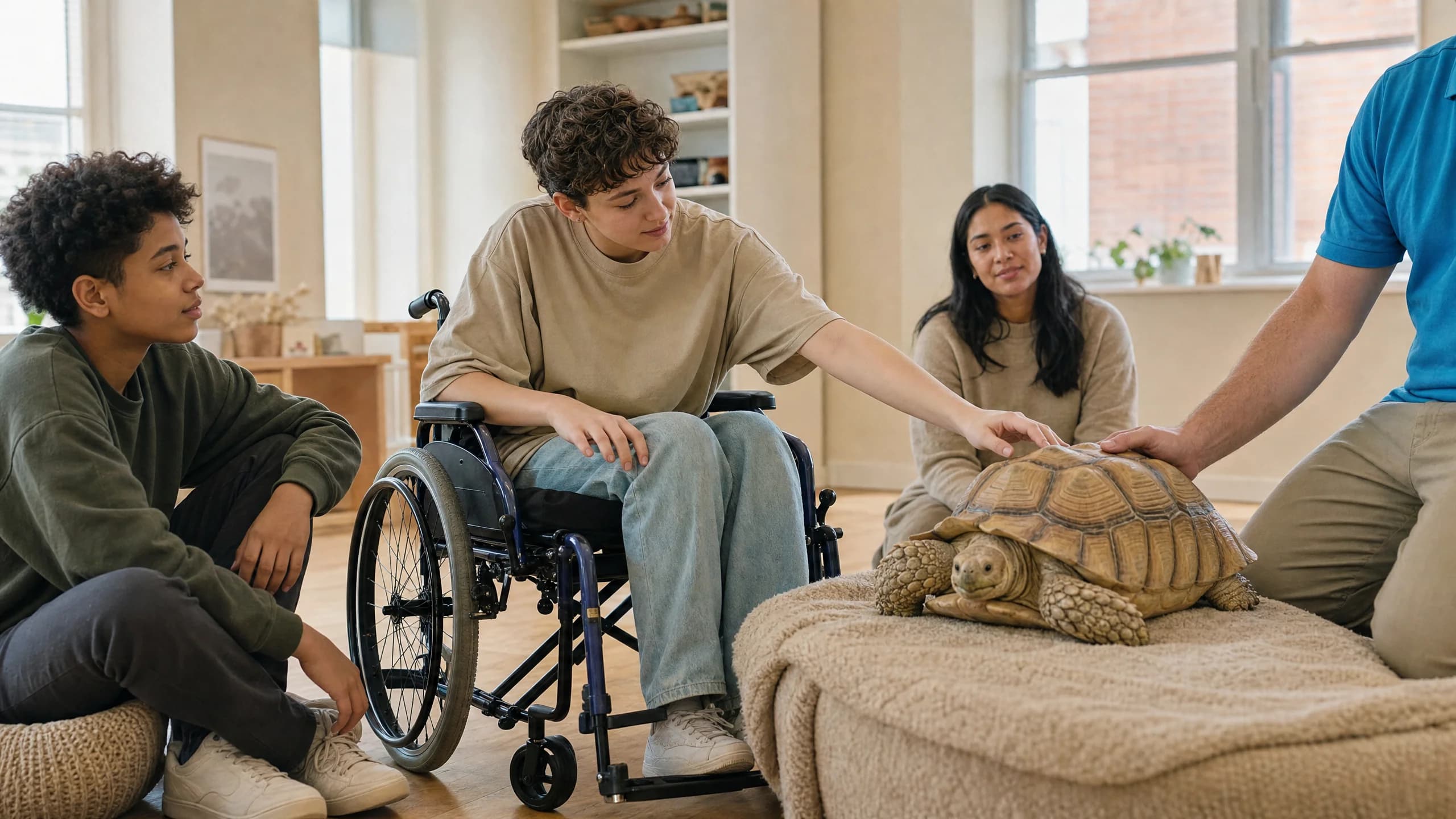
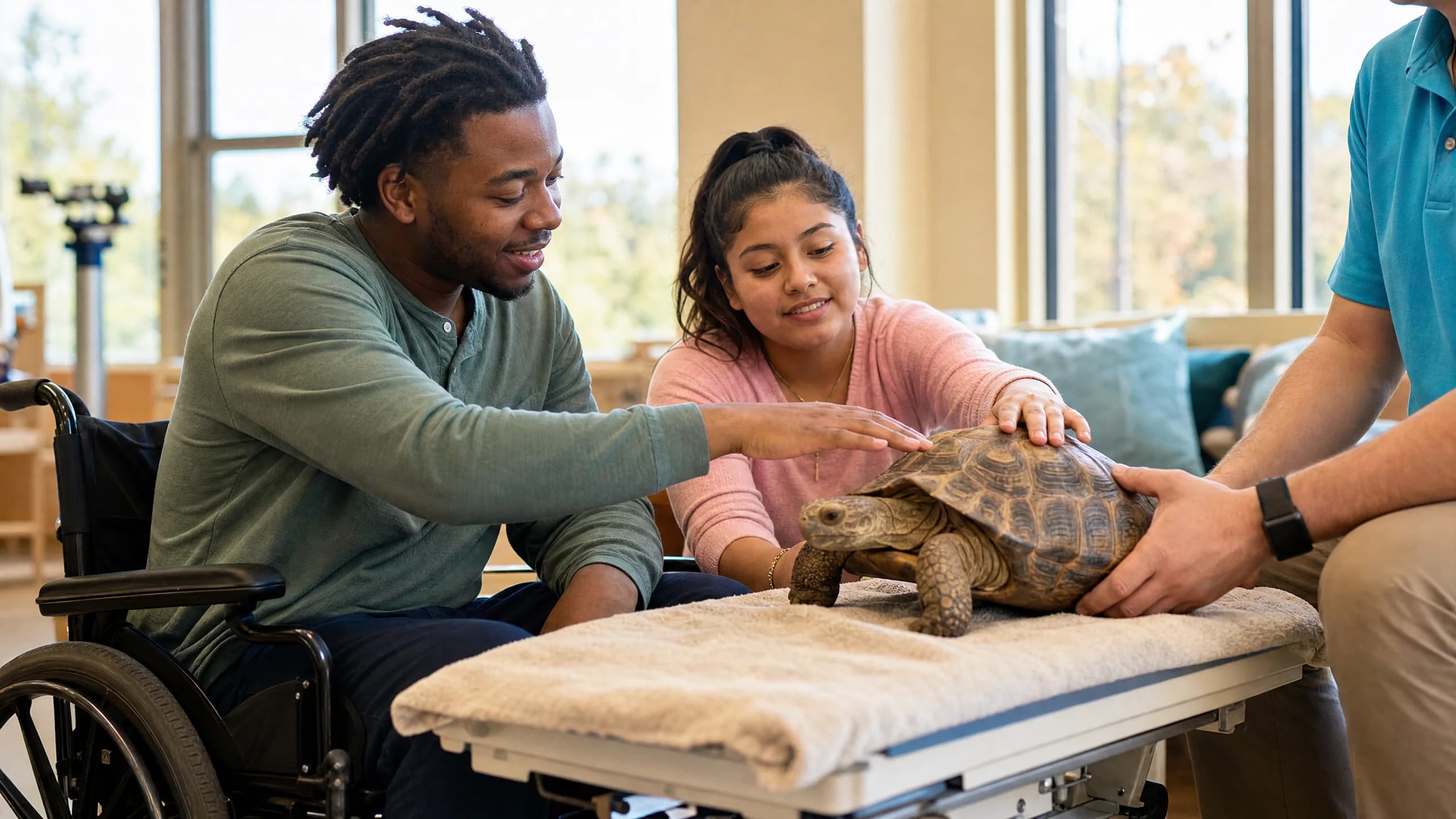
A young Black adult using a wheelchair and a Latina teen seated alongside both gently touching a tortoise resting on a height-adjusted padded table in a bright accessible community room
Adaptive Programs

Multi-Disability Adaptive Sessions

Programs co-designed alongside specialists, occupational therapists, and care administrators serving participants with cognitive, physical, or visual differences. Tactile-rich animals (hedgehogs, tortoises, gentle reptiles) work well for participants who experience the world primarily through touch. Every session is built around what the audience can do, never around what they cannot.

  • Wheelchair-accessible setup at every interaction station
  • Tactile and auditory descriptions for participants with low vision
  • Pace and session length adjusted with on-site support staff
Plan an Adaptive Program
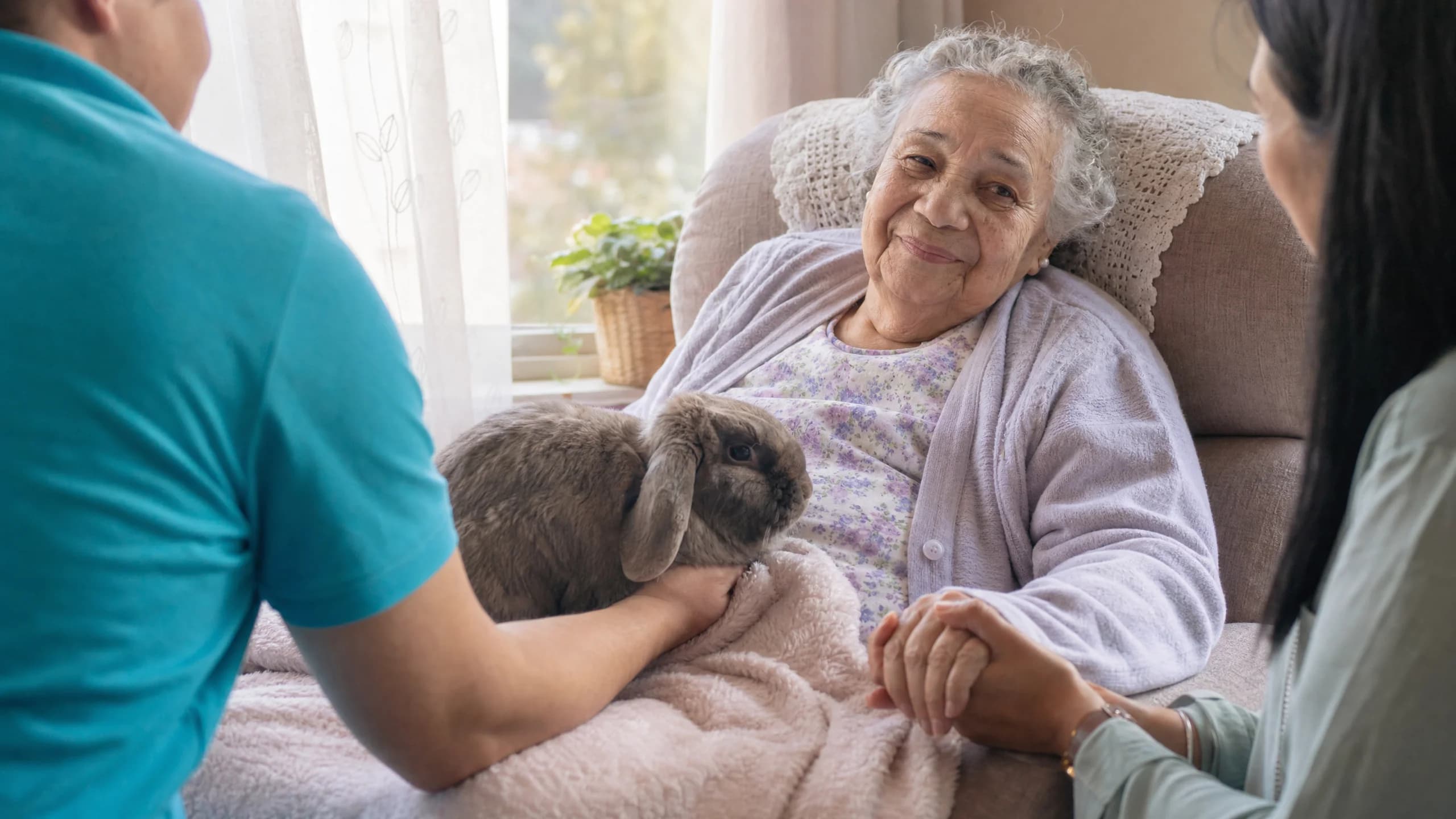
An elderly woman resting comfortably in a sunlit care-home armchair smiles softly as a calm lop-eared rabbit rests on a soft blanket on her lap, with a family member gently holding her hand and a Hands On Exotics handler in a cyan polo at the edge of the frame
Hospice & Palliative Programs

End-of-Life & Hospice Visits

Animals reach people that words and medication sometimes cannot. Our hospice and palliative programs are built around the resident — bedside visits where appropriate, common-area visits where bedside is restricted by infection control, and always coordinated with the facility care team. The goal is presence, not performance.

  • Coordination with facility care team and infection control staff
  • Visit length kept short to honour resident energy levels
  • Animals chosen for calm, predictable behaviour around medical equipment
Talk About a Hospice Visit
0
Years Experience
0
Vulnerable Sector Checked Handlers
0
Sessions Tailored to the Audience
0
Liability Coverage

Quiet, gentle, paced

An interaction tuned to one child at a time

Sensory-friendly animals, slower pacing, smaller groups — designed alongside educators and care administrators serving children and adults with disabilities.

From Consultation to Visit

A thoughtful process designed for educators, specialists, and care administrators.

  1. Consultation

    Initial call with your specialist or care lead to understand audience needs, sensory considerations, and facility requirements.

  2. Program Design

    We tailor animal selection, session length, group size, and pacing in collaboration with your team. Every plan is bespoke.

  3. Confirm & Document

    Agreement signed, deposit paid, insurance certificate and handler vulnerable sector check documentation sent to your administrator.

  4. On-Site Visit

    Our handlers arrive credentialed, with the agreed animal lineup, ready to follow your facility safety protocols. Pace adjusts in real time.

Trust, Safety & Adaptive Care

Vulnerable Sector Checked Handlers

Every handler who enters a special needs setting has completed a police criminal record check and a vulnerable sector screening — the same standard required of educators and care staff working with at-risk populations. Background checks are renewed regularly and records are available for facility review upon request.


Adaptive Pacing Protocols

Our handlers are trained to read engagement signals in real time. Sessions slow, pause, or pivot based on what the audience can sustain — never on what the script says. Specialist teams, occupational therapists, and care administrators consistently report that pace adjustment is the differentiator they remember most after a visit.

Comprehensive Liability Insurance

We carry comprehensive commercial general liability insurance specifically covering animal-assisted programming in special needs and care settings. Certificates of insurance naming your facility or organization as additional insured are provided before the first visit and kept current throughout your program.

MNR Licensed

We hold an active Custodian Licence issued by Ontario's Ministry of Natural Resources and Forestry. Every animal in our care is registered, legally documented, and housed under conditions that meet or exceed provincial standards. Facilities receive copies of all relevant licences and documentation upon request.

Programs With

We have run programs alongside Children for the Blind, the Helen Keller Centre, and hospice partners across Ontario. Every visit is co-designed with the team that knows the audience best.

Frequently Asked Questions

Common questions from educators, specialists, and care administrators.

Every program is built collaboratively with the audience-facing team — specialists, occupational therapists, classroom educators, or care administrators. We adjust pace, session length, group size, animal selection, and the physical setup to match the audience. Wheelchair height, low-vision tactile description, sensory-friendly environments, and pause points are all standard accommodations we plan for, not afterthoughts.

Still have questions?

Get in Touch